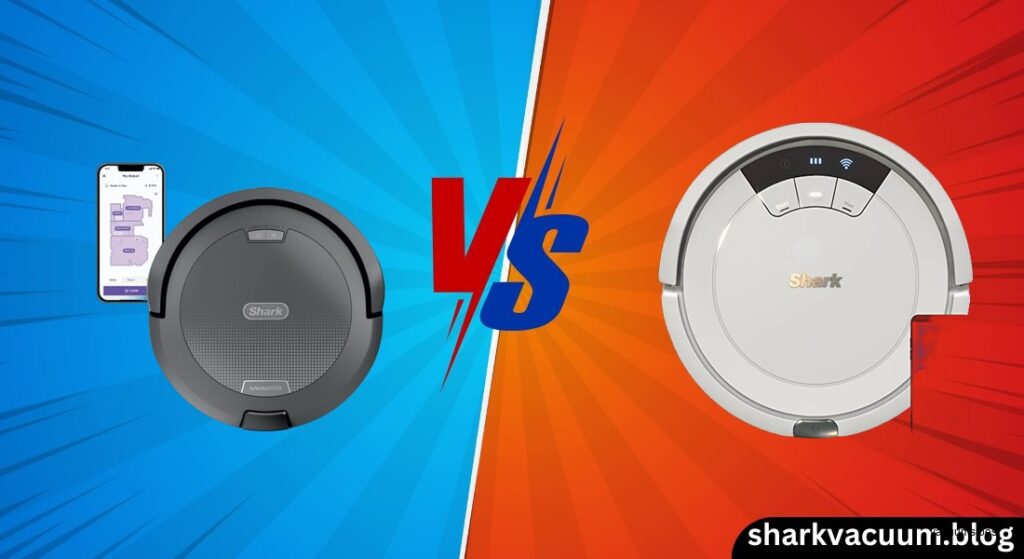
Robotic vacuums have become a staple in modern homes, especially for pet owners and those with hard-surface flooring. They offer a hands-free way to maintain clean floors without the daily chore of dragging out a bulky vacuum. Among the many options available, the Shark Ion Robot series stands out for its balance of performance, quiet operation, and value—particularly the RV720 and RV750 models. At first glance, these two robots appear nearly identical, but one key difference splits them: connectivity. Both deliver the same cleaning power, battery life, and slim design, yet carry different price tags. This raises a practical question: Is the Wi-Fi and app functionality of the Shark Ion Robot 750 worth the extra cost over the simpler, remote-controlled 720? For budget-conscious buyers or tech-savvy users alike, this decision hinges on whether smart features truly enhance daily use or just add unnecessary complexity. In this detailed comparison, we’ll break down every aspect—from cleaning performance to connectivity—to help you decide which model fits your lifestyle and budget.
1. Introduction
The rise of robotic vacuums has transformed how we think about household cleaning. No longer just a luxury, they’ve become essential tools for busy families, pet owners, and anyone looking to reclaim time. Among the most popular entry-to-mid-range options are the Shark Ion Robot 720 (RV720) and 750 (RV750)—two models that share nearly every hardware component but differ in one crucial way: Wi-Fi connectivity. This single distinction creates a pricing gap, often between $50 and $80, leaving consumers to wonder: is that extra cost justified? Both robots boast an ultra-slim 2.6-inch profile, making them ideal for cleaning under furniture, and feature a self-cleaning brush roll designed to tackle pet hair with minimal tangles. They run for about 70 minutes on a full charge and return to their dock automatically when the battery runs low. Yet, despite these similarities, the experience of using each model can feel worlds apart depending on your tech preferences. The 720 relies solely on a physical infrared remote, while the 750 connects to the SharkClean app, enabling scheduling, voice commands, and remote monitoring. For some, the simplicity of the 720 is a breath of fresh air; for others, the convenience of the 750’s smart features is non-negotiable. This article dives deep into the Shark robot vacuum 720 vs 750 debate to determine which model offers the best value and whether Wi-Fi is worth the upgrade.
2. Product Overviews
2.1 Shark Ion Robot 720 (RV720)
The Shark Ion Robot 720 is the no-frills, budget-friendly option in the Shark Ion lineup. Designed for users who want reliable cleaning without the hassle of apps or Wi-Fi setup, it operates entirely through a physical infrared remote control and on-unit buttons. There’s no smartphone integration, no voice commands, and no need to connect to your home network—just plug in the dock, charge the robot, and start cleaning. Its ultra-slim 2.6-inch height allows it to glide under beds, sofas, and cabinets, reaching areas that traditional vacuums often miss. The 720 uses a brush-based cleaning system rather than high-powered suction, relying on its dual side brushes and self-cleaning main brush roll to sweep up dust, crumbs, and pet hair. This design makes it especially effective on hard floors and low-pile carpets, while also keeping noise levels impressively low—so quiet that it can run during TV time or late at night without disturbing pets or sleep. For homes with cats or dogs, the 720 excels at capturing loose hair without frequent tangles, thanks to its tangle-resistant roller. While it lacks advanced navigation, it uses smart sensors to avoid obstacles and cliffs, and supports BotBoundary magnetic tape to block off restricted zones like pet feeding areas. With a 70-minute runtime and automatic docking, it handles medium-sized homes with ease. The 720 is best suited for tech-averse users, apartment dwellers, or anyone who prioritizes simplicity and value over smart home integration.
Check the latest price of [Shark Ion Robot 720] on Amazon [link]
2.2 Shark Ion Robot 750 (RV750)
The Shark Ion Robot 750 is the connected sibling of the 720, offering identical hardware and cleaning performance but unlocking a suite of smart features through built-in Wi-Fi and the SharkClean app. This is the model for users who want to control their vacuum from anywhere, schedule cleanings remotely, or integrate it into their smart home ecosystem. With the SharkClean app (iOS/Android), you can start, stop, or dock the robot with a tap, set daily or weekly cleaning schedules, and receive real-time notifications about battery status or errors. It also supports voice control via Amazon Alexa and Google Assistant, allowing commands like “Alexa, start the vacuum” for hands-free operation. One standout feature is “Find My Bot,” which triggers an audible alert to help locate the robot if it gets stuck or lost under furniture. Like the 720, the 750 has a 2.6-inch profile, a 70-minute battery life, and the same self-cleaning brush roll optimized for pet hair. It performs equally well on hard floors and low-pile rugs, and its ultra-quiet operation makes it ideal for use during work hours or at night. However, it shares the 720’s limitations: random navigation (no LiDAR or camera mapping), no “recharge and resume” function, and struggles with high-pile carpets. The 750’s main advantage is convenience—if you want your vacuum to run while you’re at work or integrate it into your morning routine, this is the model that delivers. But that convenience comes at a premium price, making it a harder sell for those who don’t need app-based control.
See current deals on [Shark Ion Robot 750] here [link]
3. Comparison Criteria
To determine whether the Shark 720 or 750 is the better choice, we’ll evaluate both models across seven key criteria: cleaning performance, navigation & intelligence, connectivity & smart features, battery life & charging, noise levels, maintenance & durability, and value for money. These categories cover everything from real-world cleaning efficacy to long-term ownership costs. Since the two models share nearly identical hardware, many comparisons will reveal no difference—but where differences do exist, they can significantly impact the user experience. Cleaning performance will assess how well each robot handles dust, debris, and pet hair on various floor types. Navigation will examine their movement patterns and obstacle avoidance. Connectivity is the most critical differentiator, so we’ll dive deep into app functionality and voice control. Battery life, noise, and maintenance will compare practical day-to-day use, while value will weigh price against features to determine which model offers the best return on investment. By the end, you’ll have a clear understanding of whether the 750’s Wi-Fi capabilities justify the extra cost—or if the 720’s simplicity makes it the smarter buy.
4. Head-to-Head Comparison
4.1 Cleaning Performance: Identical Twins
When it comes to cleaning, the Shark 720 and 750 are indistinguishable. Both models use the same cleaning mechanism: a self-cleaning brush roll, dual side brushes, and moderate suction powered by a brush-centric design rather than high-force airflow. This approach is particularly effective on hard floors like tile, hardwood, laminate, and concrete, where they excel at picking up dust, sand, crumbs, and pet dander. The side brushes sweep debris from edges and corners into the main intake path, ensuring thorough coverage along baseboards and under furniture. On low-pile carpets and area rugs, both robots perform well, lifting surface-level dirt and pet hair without getting bogged down. However, neither model is designed for deep-pile or shag carpets, where their lack of strong suction and low clearance can limit effectiveness. Both struggle to extract deeply embedded dirt from thick fibers, making them better suited as daily maintenance tools rather than deep-cleaning solutions.
One of the standout strengths of both models is their pet hair performance. Users with heavy shedders like Golden Retrievers, German Shepherds, or cats report that the robots consistently fill their 0.45-quart bins with hair after each cycle. The self-cleaning brush roll resists tangles better than many competitors, though occasional manual cleaning is still required to remove wrapped hair. The dual-filter system (pre-motor and outer filter) captures fine dust and allergens, making these models a solid choice for allergy sufferers. Neither robot handles large debris well—items like cereal pieces or paper scraps may require multiple passes to fully ingest. But for everyday messes, both deliver reliable, consistent results.
Pro Tip: For optimal performance, empty the dustbin after every use, especially in homes with pets, and clean the filters monthly with the included brush tool. Never wash the filters—this can damage the filtration media.
🏆 Section Winner: Tie. There is zero difference in cleaning capability between the 720 and 750. You’ll get the same clean floor regardless of which model you choose.
4.2 Navigation Systems: Random but Reliable
Both the Shark 720 and 750 use a semi-random (pinball-style) navigation pattern. Unlike premium robots with LiDAR or camera-based mapping, these models do not create a digital map of your home. Instead, they rely on infrared sensors to detect obstacles, walls, and drop-offs (like stairs), moving in a haphazard zigzag pattern until the room is covered. This method is less efficient than systematic pathing, meaning both robots may clean the same spot multiple times or miss areas entirely, especially in complex floor plans. Testing shows that the robot might spend excessive time in a small bathroom while neglecting a larger living room, requiring manual intervention to reposition it.
However, the navigation system isn’t without intelligence. Both models feature smart obstacle avoidance, approaching furniture slowly and backing off gently to prevent scuffs. They handle cords, shoes, and threshold transitions better than many budget robots, thanks to their low suction and soft-bumping logic. When stuck, they often self-rescue by reversing and changing direction. Both support the BotBoundary magnetic tape system, allowing you to create no-go zones for pet bowls, delicate items, or unfinished puzzles. This is especially useful since neither model offers app-based virtual walls.
The lack of mapping is a shared limitation, but for small-to-medium homes under 1,000 sq ft, the 70-minute runtime is usually sufficient to cover the space effectively over time. In open-plan apartments or homes with minimal clutter, the random pattern works well enough for daily maintenance.
🏆 Section Winner: Tie. Navigation is identical between models. Neither offers advanced mapping, so efficiency depends on your home layout and willingness to assist when needed.
4.3 Connectivity & Control: The Deciding Factor
This is where the 720 and 750 diverge completely. The Shark 720 has no Wi-Fi or app connectivity—it’s controlled solely by the included infrared remote and on-unit buttons. You can schedule cleanings, activate spot mode, and send it back to the dock using the remote, but you can’t control it from your phone or monitor its status remotely. There’s no voice control, no cleaning history, and no alerts if it gets stuck. For users who dislike apps or want a plug-and-play experience, this simplicity is a major plus. No Wi-Fi means no setup headaches, no password entry, and no risk of connectivity drops.
In contrast, the Shark 750 connects to your home Wi-Fi and pairs with the SharkClean app, unlocking a range of smart features. You can:
– Start, stop, or dock the robot remotely from anywhere.
– Schedule cleanings by day and time (e.g., run at 10 a.m. while you’re at work).
– Monitor cleaning progress and battery status in real time.
– Receive low-battery alerts and error notifications (e.g., “brush jammed”).
– Use voice commands with Alexa or Google Assistant (“Hey Google, clean the living room”).
– Locate the robot using the “Find My Bot” feature, which triggers a loud beep.
The app is intuitive and easy to use, with a clean interface that doesn’t require a tutorial. However, some users report that Wi-Fi setup can be finicky, and the robot may disconnect if your network is unstable. Also, since the robot doesn’t map your home, you can’t select specific rooms to clean—scheduling applies to the entire space.
Good to Know: The app adds convenience but doesn’t improve cleaning performance. If you’re home most of the time and don’t mind using a remote, the 720’s lack of Wi-Fi may not matter.
🏆 Section Winner: 750. The SharkClean app and voice control provide meaningful convenience for users who want hands-free scheduling and remote monitoring. The 720 wins for simplicity, but the 750 wins on features.
4.4 Battery Life & Runtime
Both models are powered by a Lithium-Ion battery (model RVBAT700) that delivers approximately 70 minutes of runtime on standard mode. This is consistent across both the 720 and 750, and sufficient for cleaning medium-sized homes (up to 1,000 sq ft) in a single cycle. On hard floors, the robot may run slightly longer; on carpets, battery drain is faster due to increased resistance.
Both units automatically return to the dock when the battery is low or the cleaning cycle ends. However, neither model supports “recharge and resume”—if the battery dies mid-clean, it docks and stops. It won’t return to the exact spot it left off. This means larger homes may require manual repositioning or multiple cycles.
Charging time is also identical: about 3 to 4 hours to reach a full charge. The charging dock uses a 3-prong connector, and replacement batteries are widely available and affordable.
🏆 Section Winner: Tie. Battery life, charging time, and behavior are exactly the same for both models.
4.5 Noise Levels
One of the most praised features of both the 720 and 750 is their ultra-quiet operation. Unlike many robot vacuums that sound like miniature jet engines, these models run so quietly that they can be used during TV time, work-from-home calls, or even at night without disturbing sleep. They are significantly quieter than older Roomba models and many Eufy or iLife competitors.
The quietness is due to the brush-based cleaning design, which relies less on high-speed suction fans. This also makes them less likely to startle pets—cats often ignore the robot as it moves under furniture. Users report running the vacuum during nap times or late at night with no issues.
🏆 Section Winner: Tie. Noise performance is identical, and both are among the quietest robot vacuums in their price range.
4.6 Maintenance & Parts
Maintenance is identical for both models. Key tasks include:
– Emptying the 0.45-quart dustbin after every use (more frequently with pets).
– Cleaning the dual-filter system monthly with the included brush (never wash or submerge filters).
– Removing hair from the main brush roll using the cleaning tool.
– Checking side brushes for wear and replacing as needed.
– Wiping cliff sensors and charging contacts to ensure proper navigation and docking.
Replacement parts are widely available and affordable, with a shared ecosystem:
– Filters: RVFFK700
– Side Brushes: RVSBK700 or sj-102KY1000 (2-pack)
– Main Brush Roll: sj-RV700-Main-Brushroll
– Battery: RVBAT700
– Charging Dock: sj-RVDOK700
– Remote Control: sj-RVRMT700
Both models are durable, with users reporting reliable performance for years. Common failure points include battery degradation and brush roll motor wear, but these are easily replaceable.
🏆 Section Winner: Tie. Maintenance and parts are identical, making long-term ownership cost-effective for both.
4.7 Price & Value
This is the crux of the decision. The Shark 720 is the budget champion, typically priced $50–$80 lower than the 750. Since both offer identical cleaning, battery life, and noise levels, the 720 delivers 95% of the utility at a lower cost. For users who don’t need app control, it’s the smarter financial choice.
The 750’s premium is strictly for Wi-Fi and app functionality. If you work from home, travel frequently, or want to integrate vacuuming into your smart home routine, the convenience may justify the extra cost. But if you’re home most of the time and prefer simplicity, the 750’s features add little value.
🏆 Section Winner: 720. For pure value, the 720 wins. The 750 only wins if you specifically need remote scheduling or voice control.
5. Pros and Cons Table
| Feature | Shark Ion Robot 720 (RV720) | Shark Ion Robot 750 (RV750) |
|---|---|---|
| Pros | • Lower price point • Identical cleaning performance to 750 • No Wi-Fi setup required (plug & play) • Extremely quiet operation • Excellent pet hair removal |
• Full Wi-Fi & App control (SharkClean) • Voice control (Alexa/Google) • Remote scheduling & monitoring • “Find My Bot” feature • Identical cleaning performance to 720 |
| Cons | • No smartphone app or remote monitoring • Cannot use voice commands • Random navigation (no mapping) • Struggles with high-pile carpets |
• Higher price for essentially the same hardware • Random navigation (no mapping) • Wi-Fi setup can be finicky for some • Struggles with high-pile carpets |
| Best For | Budget buyers, tech-averse users, simple floor plans. | Tech enthusiasts, remote workers, multi-room scheduling needs. |
6. Best Use Case Recommendation
Choose the Shark Ion Robot 720 If:
- You are on a budget: You want maximum cleaning performance for the lowest possible price.
- You prefer simplicity: You don’t want to deal with Wi-Fi passwords, app updates, or cloud connectivity.
- Your home is small-to-medium: The 70-minute battery and random navigation are sufficient for apartments or homes under 1,000 sq ft.
- You have pets: You need a quiet, effective hair-picker-upper that won’t scare your cat or dog.
Choose the Shark Ion Robot 750 If:
- You need remote scheduling: You want the vacuum to run while you are at work or away from home.
- You use Smart Home tech: You want to integrate vacuuming into your routine via Alexa or Google Assistant.
- You have a larger home: The ability to monitor progress and send the bot back out via the app helps mitigate the inefficiencies of random navigation.
- You want peace of mind: The “Find My Bot” and real-time error notifications provide extra assurance.
View [Shark Ion Robot 750] on Amazon [link]
7. Conclusion
The Shark Ion Robot 720 and 750 are, in almost every way, mechanically identical twins. They share the same ultra-slim 2.6-inch chassis, the same quiet brush-based cleaning system, the same 70-minute battery life, and the same excellent pet hair pickup on hard floors and low-pile rugs. The cleaning results will be indistinguishable whether you choose the 720 or 750. The only difference—and it’s a significant one—is connectivity. The 720 offers pure simplicity with a physical remote, while the 750 adds Wi-Fi, app control, and voice commands for added convenience.
So, is the extra cost of the 750 worth it? For most users, the answer is no. If your primary goal is to keep your floors clean with minimal effort and cost, the Shark Ion 720 is the superior choice. It delivers the core promise of a robot vacuum—automated, quiet, reliable cleaning—at the best possible price. The 750 is only worth the upgrade if you specifically need to schedule cleanings remotely or if voice control is a must-have for your smart home setup. In a market obsessed with features, the 720 reminds us that sometimes the most important feature is simply getting the floor clean, quietly and reliably. For pet owners, apartment dwellers, and budget-conscious buyers, the Shark robot vacuum 720 vs 750 debate ends with a clear winner: the 720, unless you truly need Wi-Fi.