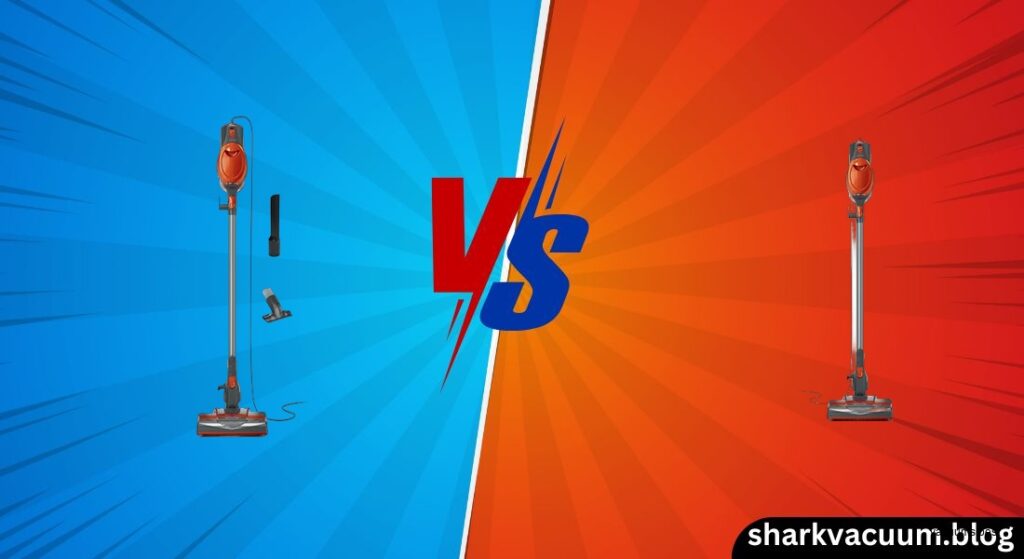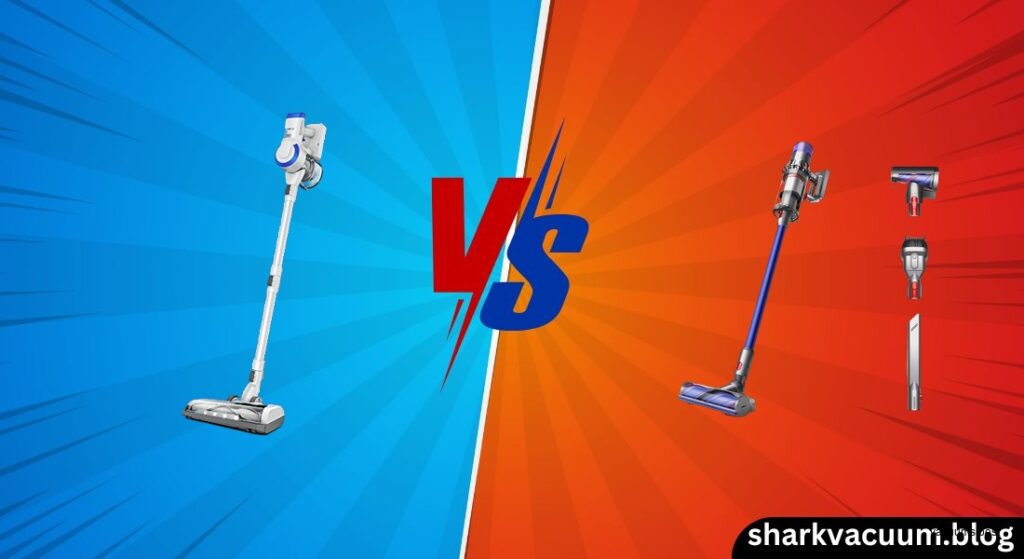
In the competitive world of cordless stick vacuums, two models consistently rise to the top of consumer consideration: the Tineco A10 and the Dyson V11. One promises high performance at a budget-friendly price, while the other delivers cutting-edge technology and superior filtration at a premium cost. The choice between them isn’t just about suction—it’s about understanding your home’s specific needs, your tolerance for maintenance, and how much you value long-term reliability over immediate savings.
The Tineco A10 series, particularly the HERO model, has earned a reputation as a performance outlier in the sub-$150 market. With a 350W brushless motor generating up to 105W of suction, it punches well above its weight class on carpets and in crevices. It’s lightweight, includes useful accessories like LED-lit brush heads, and offers a lockable trigger—a small but meaningful ergonomic win. But it also comes with significant compromises: poor filtration sealing, a tendency for debris to stick on hard floors, and frequent hair tangling that demands manual cleaning.
On the other side stands the Dyson V11, a flagship cordless vacuum with a 125,000 rpm Hyperdymium motor producing 185 Air Watts of suction. It features an intelligent LCD screen, Auto Mode that adjusts power based on floor type, and industry-leading anti-tangle technology. Its fully sealed 5-stage filtration system captures 99.99% of particles as small as 0.3 microns—making it a top choice for allergy sufferers. Yet, it comes with a steep price tag, a pull-and-hold trigger that causes hand fatigue, and concerning long-term reliability statistics, with nearly half of Dyson stick vacuums reportedly failing within five years.
This Tineco A10 vs. Dyson V11 showdown dives deep into the data, real-world performance, and long-term ownership experience to help you decide which vacuum truly earns its place in your home. We’ll compare suction, filtration, hair handling, battery life, design, and value—not just on paper, but in practice. Whether you’re a pet owner, an allergy sufferer, or a budget-conscious renter, this comparison will cut through the marketing and deliver a clear verdict.
2. Product Overviews
Tineco A10 Series (HERO & Essentials)
The Tineco A10 series is engineered to deliver high-performance cleaning at an accessible price point, targeting budget-conscious consumers who don’t want to sacrifice suction power. At its core is a 350W brushless motor that generates up to 105W of suction power, a figure that rivals vacuums costing two or three times as much. This makes the A10 particularly appealing for quick cleanups, daily maintenance, and homes with mostly carpeted floors.
Two primary models define the lineup: the A10 HERO and the A10 Essentials. The HERO is the premium option, featuring a detachable 2500mAh lithium battery that allows for easy replacement or extended runtime with a spare. It also includes the LED Soft-Roller Power Brush, a significant upgrade for hard floor performance. In contrast, the Essentials model has a non-removable battery, meaning the entire unit becomes e-waste once the battery degrades. It comes with a standard powered brush head, which performs adequately on carpets but struggles with larger debris on hard surfaces.
Both models share a 4-stage filtration system with a HEPA filter, claiming to capture 99.97% of particles down to 0.3 microns. However, real-world testing reveals sealing failures, with visible fine dust fog escaping the exhaust—raising concerns for allergy sufferers. The dustbin holds 0.4 liters, which is smaller than average, and the “one-touch” emptying mechanism often fails to fully clear debris, requiring manual cleaning of the cyclone chamber.
The A10 series is praised for its lightweight design (around 2.2 lbs for the main unit), making it easy to maneuver and ideal for users with limited strength. It converts easily to a handheld vacuum for stairs, cars, and upholstery, and includes a lockable trigger—a major ergonomic advantage over models that require constant finger pressure. The LED-lit brush heads help illuminate dust under furniture, and the included crevice tool and 2-in-1 dusting brush add versatility.
Despite its strengths, the A10 has notable weaknesses. It performs poorly in hair tangle tests, with 25-75% of long hair wrapping around the brush roll depending on length. There is no anti-tangle technology, so pet owners or households with long-haired individuals will need to frequently cut hair from the roller. On hard floors, large debris like cereal or rice often sticks to the front of the brush head instead of being sucked in, a design flaw that undermines its effectiveness.
Check the latest price of [Tineco A10 HERO] on Amazon [link]
See current deals on [Tineco A10 Essentials] here [link]
Dyson V11 (Base & Extra)
The Dyson V11 represents the peak of Dyson’s cordless vacuum engineering prior to the V15 and Gen5 Detect models. It’s built around the Hyperdymium motor, which spins at 125,000 rpm and delivers 185 Air Watts of suction power—60% more than the older Dyson V8. This makes it one of the most powerful cordless vacuums ever made, capable of deep-cleaning carpets and removing stubborn debris with ease.
Available in Base and Extra configurations, the V11 is marketed as a whole-home cleaning system. The Base model includes the essential tools: the Motorbar cleaner head, crevice tool, combination tool, and Hair Screw Tool—a motorized conical brush designed to pick up pet hair without tangling. The Extra bundle adds 11 accessories, including a stubborn dirt brush, mini soft dusting brush, fabric and mattress tool, and an up-top adaptor for cleaning high ceilings.
A standout feature is the LCD screen, which provides real-time feedback on battery life (counting down to the second), power mode, and maintenance alerts. If there’s a blockage, the screen pinpoints the location—wand, brush head, or bin—making troubleshooting quick and intuitive. The Auto Mode uses sensors to detect floor type and automatically adjusts suction and brush bar speed, reducing the need for manual mode switching.
The V11 features a fully sealed 5-stage filtration system that captures 99.99% of particles as small as 0.3 microns. This is certified for allergy sufferers and ensures that the air expelled is cleaner than the air inhaled—critical for homes with pets, asthma, or severe allergies. The 0.2-gallon (0.76L) dustbin uses a hygienic slide mechanism that ejects debris without hand contact, a major advantage over models with messy one-touch buttons.
However, the V11 is not without flaws. It uses a pull-and-hold trigger, which causes finger fatigue during long cleaning sessions—a surprising oversight for a premium product. While Dyson claims up to 60 minutes of runtime, real-world use in Auto mode delivers closer to 40 minutes, and Boost mode drains the battery in under 15 minutes. The battery is removable, but replacements are expensive.
Perhaps the most significant limitation is its hard floor performance. The standard Motorbar head, while excellent on carpets, often pushes medium-sized debris like rice or oats around rather than sucking it up. It also jams on flat washable rugs, a common household item, rendering the vacuum unusable on such surfaces. Without the optional soft roller head (not included), the V11 is less versatile than some competitors on hard floors.
View [Dyson V11 Base] on Amazon [link]
Check the latest price of [Dyson V11 Extra] on Amazon [link]
3. Comparison Criteria
To determine the better vacuum for your needs, we’ll evaluate the Tineco A10 and Dyson V11 across seven key criteria:
- Suction & Cleaning Performance: How well do they clean carpets, hard floors, and handle different debris types? We’ll look at real-world test data, not just manufacturer claims.
- Filtration & Air Quality: Does the vacuum contain fine dust and allergens, or does it exhaust them back into the room? This is critical for allergy and asthma sufferers.
- Hair Management: How well do they handle pet hair and long human hair? Does hair tangle around the brush roll, requiring frequent manual cleaning?
- Battery & Runtime: How long do they last in real use? Is the battery replaceable? Can runtime be extended with spare batteries?
- Design & Ergonomics: Weight, balance, bin emptying, trigger design, and user interface. How comfortable and intuitive is the vacuum to use daily?
- Maintenance & Durability: How easy is it to clean and maintain? What’s the long-term reliability? Are parts replaceable, or is the unit disposable?
- Value Proposition: Does the vacuum deliver performance that justifies its price? What’s the total cost of ownership, including accessories and potential replacements?
These metrics will provide a comprehensive, data-driven comparison that goes beyond marketing hype to reveal which vacuum truly performs better in real homes.
4. Head-to-Head Comparison
Suction & Cleaning Performance
When it comes to raw cleaning power, both the Tineco A10 and Dyson V11 deliver, but in different ways and on different surfaces.
On carpets, the Dyson V11 takes the lead. Its 185 Air Watts of suction and high-torque Motorbar head drive deep into carpet fibers, agitating and removing embedded dirt with ease. In Auto Mode, it detects carpet and automatically boosts power, ensuring optimal performance without user input. Independent tests confirm its superiority in deep-cleaning tasks, making it ideal for homes with wall-to-wall carpeting.
The Tineco A10 also performs well on carpets, especially given its price. It removes 70% of embedded debris in just three passes, a figure that rivals many premium models. Its 350W motor provides strong agitation, and the LED-lit brush head helps illuminate hidden dust. However, it lacks automatic floor detection, so users must manually switch to Max mode for deep cleaning, which drains the battery quickly.
On hard floors, the results are more nuanced. The Dyson V11 with its standard Motorbar head struggles with medium to large debris like cereal, rice, or oatmeal. Instead of sucking it up, the vacuum often pushes it around, and lifting the head after a pass can cause the debris to fall out—indicating poor suction optimization for hard surfaces. This is a well-documented flaw in both user reviews and lab tests.
The Tineco A10 has a similar issue with its standard powered brush head, where large debris sticks to the front lip of the cleaner and doesn’t get sucked into the bin. However, the A10 HERO model, when equipped with the LED Soft-Roller Power Brush, performs significantly better. This brush head picks up both fine dust and large debris simultaneously without scattering, making it far more effective on hard floors than the standard head.
For crevices and edges, both vacuums excel. The included crevice tools are narrow and effective, and both convert easily to handheld mode for stairs, car interiors, and upholstery. The Tineco’s two-piece wand offers flexible reach, while the Dyson’s Hair Screw Tool is unmatched for pet hair on furniture.
Pro Tip: If you have mixed flooring, the Tineco A10 HERO with the soft roller brush is a better hard floor performer than the Dyson V11 with its standard Motorbar head—unless you purchase the optional soft roller for the V11.
🏆 Section Winner: Tie / Contextual. The Dyson V11 wins on deep carpet cleaning and automation. The Tineco A10 HERO wins on hard floors if equipped with the soft roller. Standard Tineco models lag behind on hard floors.
Filtration & Air Quality
This is one of the most critical differentiators, especially for allergy and asthma sufferers.
The Dyson V11 features a fully sealed 5-stage filtration system that captures 99.99% of particles as small as 0.3 microns. This means that dust, pollen, pet dander, and other allergens are trapped inside the vacuum and not expelled back into the air. It’s certified for allergy sufferers and is one of the cleanest-exhausting vacuums on the market. The system includes a HEPA filter, pre-filter, and cyclone technology to maintain suction and air quality over time.
In contrast, the Tineco A10 uses a 4-stage HEPA filtration system that claims to capture 99.97% of particles. However, real-world testing reveals significant sealing failures. Fine dust fog is visible escaping from the exhaust during operation, indicating that allergens are being recirculated into the room. The pre-filter clogs rapidly, leading to suction loss and increased motor strain. While the filters are washable, the system’s inability to contain fine particles makes it unsuitable for homes with severe allergies.
Good to Know: A vacuum is only as good as its weakest seal. The Tineco’s visible exhaust leakage undermines its HEPA rating, while the Dyson’s fully sealed design ensures reliable air quality.
🏆 Section Winner: Dyson V11. Its fully sealed filtration system is non-negotiable for allergy sufferers and delivers significantly cleaner air output.
Hair Management (Pet & Human)
For pet owners or households with long-haired individuals, this is a make-or-break feature.
The Dyson V11 is engineered specifically for hair management. Its Motorbar cleaner head has 43 anti-tangle vanes that actively clear wrapped hair as you clean. The Hair Screw Tool is a motorized conical brush that picks up long hair from upholstery without tangling. Testing shows it removes pet hair effectively from carpets and furniture with minimal maintenance required.
The Tineco A10, however, performs poorly in hair tangle tests. With 8-inch hair, 25% tangles on the brush roll. With 14-inch hair, that jumps to 75%. There is no anti-tangle technology, so users must frequently cut hair from the roller—a tedious and unhygienic task. While it picks up hair initially, the lack of de-tangling means performance degrades quickly during a cleaning session.
🏆 Section Winner: Dyson V11. Its anti-tangle vanes and Hair Screw Tool make it the clear choice for pet owners and long-haired households.
Battery & Runtime
Battery life and flexibility are crucial for whole-home cleaning.
The Dyson V11 claims up to 60 minutes of runtime in Eco mode, but real-world use in Auto mode averages around 40 minutes. Boost mode drains the battery in under 15 minutes. The battery is removable, allowing for replacement or spare batteries, though replacements cost over $100. Charging takes 4 hours.
The Tineco A10 offers 20–25 minutes in Standard mode and 11 minutes in Max mode. While this is shorter than the V11, the A10 HERO model has a detachable battery that can be swapped with a spare for extended cleaning. Spare batteries are relatively inexpensive, making it easy to double or triple runtime. Charging also takes 3–4 hours.
Pro Tip: If you have a large home, the Dyson’s single-charge endurance is better. But if you want flexibility and lower long-term battery costs, the Tineco HERO’s swappable battery wins.
🏆 Section Winner: Dyson V11 for single-charge runtime; Tineco A10 HERO for battery extendability and cost.
Design, Ergonomics, & Usability
Ergonomics can make or break daily use.
The Dyson V11 features an LCD screen that displays real-time battery countdown, power mode, and blockage alerts—making it highly informative and user-friendly. The hygienic bin emptying mechanism minimizes contact with dirt. However, its 6.6 lb weight and pull-and-hold trigger cause hand fatigue during long sessions.
The Tineco A10 is lighter at 2.2 lbs (main unit) and features a lockable trigger, allowing continuous operation without finger strain. However, its “one-touch” bin button often fails to clear sticky debris, forcing users to manually scoop out dirt. The vacuum does not self-stand, so it must be wall-mounted or leaned against a surface.
🏆 Section Winner: Dyson V11 for information and hygiene; Tineco A10 for trigger comfort.
Maintenance & Durability
Long-term ownership depends on how easy the vacuum is to maintain and how long it lasts.
The Dyson V11 requires monthly filter washing and has a 2-year warranty. However, Consumer Reports data shows a ~50% failure rate within 5 years, with common issues including battery degradation and trigger failure. While powerful, it’s a high-cost investment with reliability risks.
The Tineco A10 requires frequent filter cleaning (every 1–3 months) to maintain suction due to rapid pre-filter clogging. The Essentials model’s non-removable battery makes it disposable once the battery dies. The HERO model’s swappable battery extends its lifespan, but overall build quality is plastic-heavy.
🏆 Section Winner: Neither. Both have durability concerns—Dyson due to high failure rates, Tineco due to disposability.
5. Pros and Cons Table
| Feature | Tineco A10 (HERO/Essentials) | Dyson V11 |
|---|---|---|
| Price | $ ($60 – $160) | $$$$ ($570 – $660) |
| Suction Power | Strong (105W), great for price | Excellent (185 AW), industry leading |
| Filtration | Poor sealing, exhausts fine dust | Fully sealed, captures 99.99% of allergens |
| Hair Handling | Poor (frequent tangling) | Excellent (anti-tangle vanes/tools) |
| Hard Floor Perf. | Good (with Soft Roller), Poor (standard) | Mixed (struggles with large debris) |
| Battery | 20-25 mins (Removable on HERO) | 40-60 mins (Removable) |
| Interface | Basic LED lights | Advanced LCD with diagnostics |
| Trigger | Lockable (Ergonomic) | Pull-and-hold (Fatiguing) |
| Bin Emptying | Messy, requires manual help | Hygienic point-and-shoot |
| Durability | Moderate (Disposable feel) | Concerning (High 5-year failure rate) |
| Best For | Budget buyers, apartments, light use | Pet owners, allergy sufferers, carpeted homes |
6. Best Use Case Recommendation
Choose the Tineco A10 (HERO) if:
- You are on a strict budget: It offers 80% of the cleaning power for 20% of the price.
- You have mostly carpets or small areas: It excels at quick touch-ups and carpet pickup.
- You dislike holding triggers: The lock-on switch is a major ergonomic plus.
- You don’t have pets or long hair: Or you don’t mind cleaning the brush roll frequently.
- You need a secondary vacuum: Perfect for kitchens or quick spills where you don’t want to drag out a heavy machine.
- Note: Always opt for the HERO version to get the detachable battery and better brush heads.
Choose the Dyson V11 if:
- You have pets: The anti-tangle technology is a genuine game-changer for pet hair.
- You suffer from allergies: The sealed filtration system is non-negotiable for air quality.
- You have a large, carpeted home: The battery life and automatic power adjustment make whole-home cleaning efficient.
- You love data: The LCD screen’s real-time feedback and blockage detection simplify troubleshooting.
- You want a “set it and forget it” experience: Despite the price, the automation reduces the cognitive load of cleaning.
7. Conclusion
The Tineco A10 vs. Dyson V11 showdown ultimately comes down to specialization versus value.
The Dyson V11 is a specialized powerhouse—engineered for pet owners and allergy sufferers who demand intelligent cleaning, superior filtration, and reliable hair removal. Its 185 Air Watts of suction, LCD interface, and anti-tangle technology justify its premium price for the right user. But you must accept the pull-and-hold trigger, high cost, and concerning long-term reliability.
The Tineco A10 HERO, on the other hand, is the undisputed value king. For under $150, it delivers shocking suction power, a lockable trigger, and solid carpet performance. It’s perfect for budget-conscious buyers, apartment dwellers, or those needing a secondary vacuum. But its poor filtration sealing, hair tangling, and hard floor limitations prevent it from being a primary recommendation for families with pets or severe allergies.
Final Verdict:
* Best Overall Performance: Dyson V11 (for Pet Owners/Allergy Sufferers)
* Best Value: Tineco A10 HERO (for Budget-Conscious/Small Spaces)
If your budget allows and you have pets or allergies, the Dyson V11 remains the more capable, albeit expensive, solution. If you’re looking for a capable daily driver at a fraction of the cost and can manage the maintenance, the Tineco A10 HERO is a remarkable achievement in the budget cordless vacuum market.