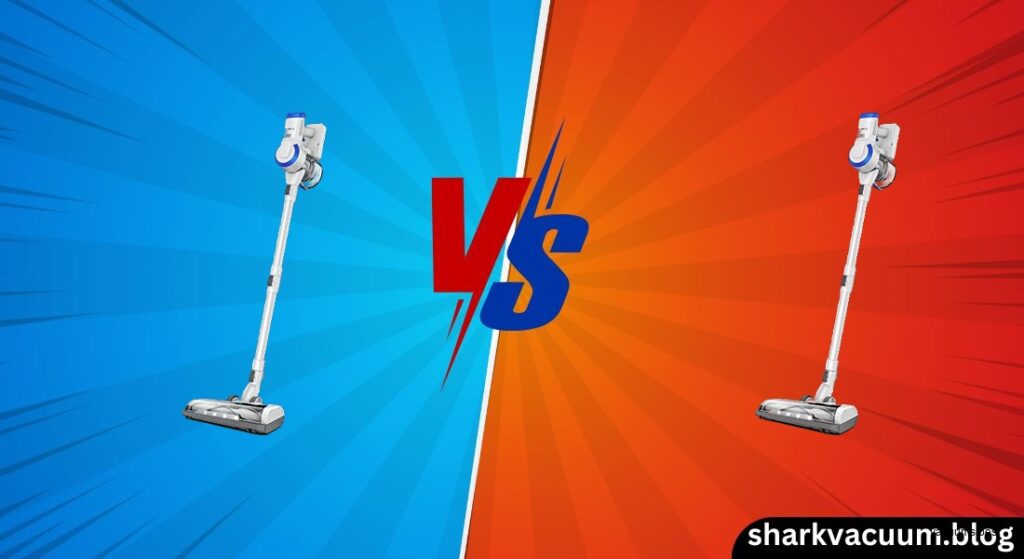
When shopping for an affordable cordless stick vacuum, the Tineco A10 series often stands out as a compelling option. Known for delivering Dyson-like features—like a brushless motor, HEPA filtration, and LED-lit brush heads—at a fraction of the price, the Tineco A10 has earned a loyal following among budget-conscious homeowners and renters alike. But with multiple models in the lineup, particularly the Tineco A10 (often labeled as Essentials or Standard) and the Tineco A10 Hero, the choice isn’t always straightforward. On paper, they look nearly identical: same motor, same battery, same sleek design. So what’s the real difference?
The answer lies not in the core vacuum body, but in what comes with it. The A10 and A10 Hero are essentially twins under the hood, but their cleaning capabilities diverge significantly based on included accessories—especially the type of floor brush. If you’re trying to decide between these two models, the real question becomes: Is the “Hero” upgrade worth the extra cost, or is the standard A10 a smarter buy for your specific needs? This isn’t just about suction power or runtime; it’s about how well each model handles your floors, pets, and daily messes out of the box. In this detailed comparison, we’ll break down every aspect—from hard floor performance and pet hair cleanup to battery life and dustbin quirks—to help you determine which Tineco A10 model delivers the best value for your home.
2. Product Overviews
Tineco A10 (Standard/Essentials)
The Tineco A10 (often sold as the A10 Essentials) is designed as a no-frills, budget-friendly entry into cordless vacuuming. It’s built for quick cleanups, small spaces, and users who want strong suction without spending hundreds. At its core is a 350W brushless motor—a standout feature in this price range—that delivers up to 105W of suction power in Max mode. This allows it to pull embedded dirt from carpets surprisingly well, often outperforming expectations for a sub-$120 vacuum. The included Motorized Power Brush features a ball-bearing roller designed to agitate carpet fibers and lift debris. While effective on rugs and low-to-medium pile carpets, it has a known flaw on hard floors: it tends to push large debris forward rather than sucking it in, requiring multiple passes.
The attachment kit is minimal but functional: a crevice tool and a 2-in-1 dusting brush (with soft bristles for upholstery and hard surfaces). There’s no mini motorized tool, which limits its usefulness for pet hair on furniture. The vacuum uses a 0.4L dustbin and a 4-stage HEPA filtration system (cyclone, mesh, pre-filter, HEPA), which captures 99.97% of particles as small as 0.3 microns. However, real-world testing shows debris leakage during operation—visible fine dust escapes from the exhaust—making it less ideal for allergy sufferers despite the HEPA rating. The 2500mAh removable battery provides about 25 minutes in Standard mode and 11 minutes in Max mode. The body weighs just 2.87 lbs, making it one of the lightest in its class, and the total assembled weight is around 5 lbs—easy to carry up stairs or use for overhead cleaning.
Check the latest price of Tineco A10 on Amazon [link]
Tineco A10 Hero
The Tineco A10 Hero takes the same reliable core—the 350W motor, 2500mAh battery, and 0.4L dustbin—and packages it with a more comprehensive cleaning ecosystem. Marketed as a “multi-surface powerhouse,” the Hero typically includes the Full-Size LED Multi-Tasker Power Brush, which is designed to handle both carpets and sealed hard floors. More importantly, many Hero bundles (though not all) include the LED Soft-Roller Power Brush, a game-changing attachment for homes with hardwood, tile, or laminate. Unlike the standard brush, the soft roller gently sweeps and picks up large debris without scattering it, eliminating the “pushing” problem.
Where the Hero truly shines is in its expanded toolset. Alongside the crevice and dusting tools, it usually comes with a Mini Motorized Tool—essential for pet owners tackling hair on sofas, stairs, and car seats. It also includes a short wand for cleaning under furniture and a pre-filter cleaning tool to maintain suction. The LED lights on the brush heads are brighter and more effective than average, illuminating dust under beds and in dark corners. Like the standard A10, the Hero uses the same 4-stage HEPA filtration system and suffers from the same debris containment issues, with fine dust escaping during use. The weight and balance are nearly identical, and the wall-mounted dock offers better organization with extra slots for the additional tools.
See current deals on Tineco A10 Hero here [link]
3. Comparison Criteria
To determine which Tineco A10 model is right for you, we’ll evaluate both across seven key performance and usability metrics. Since the core vacuum body is nearly identical, differences will largely come down to included accessories, real-world cleaning behavior, and long-term maintenance.
First, Cleaning Performance will assess how well each model handles carpets versus hard floors, especially with large debris like cereal or pet kibble. This is where the soft roller brush makes a dramatic difference. Second, Versatility & Attachments will compare the utility of the included tools—particularly the absence of a mini motorized tool on the standard A10, which is a major limitation for pet owners.
Third, Filtration & Allergens evaluates the 4-stage HEPA system’s effectiveness. While both models claim HEPA-level filtration, real-world testing reveals significant particulate leakage, raising concerns for allergy sufferers. Fourth, Battery & Runtime looks beyond advertised specs—40 minutes Standard, 11–25 minutes Max—to actual performance in homes around 2,000 sq ft. The 2500mAh battery is removable, but replacement availability is a known issue.
Fifth, Design & Ergonomics considers the lightweight build (under 5.2 lbs), balance, and the lack of a self-standing feature—a shared flaw that forces reliance on the wall dock. The 0.4L dustbin, while transparent and easy to empty in theory, has a common user complaint: debris often sticks to the top of the cyclone entry, requiring manual removal. Sixth, Maintenance covers filter washing frequency, hair removal from the brush roll (a frequent chore due to lack of anti-tangle tech), and part availability. Finally, Value for Money weighs the upfront cost against necessary add-ons—like buying the soft roller brush separately for the standard A10, which can cost nearly half the vacuum’s price.
4. Head-to-Head Comparison
Cleaning Performance: Carpet vs. Hard Floor
On carpet, both the Tineco A10 and A10 Hero perform impressively. Thanks to the shared 350W brushless motor and 105W Max mode suction, they remove 70% of embedded fine debris in just three passes—above average for the price. They handle low-to-medium pile carpets and area rugs with ease, pulling up sand, crumbs, and pet hair effectively. However, both struggle slightly on high-pile or shag rugs, where the vacuum may require more pushing force or fail to transition smoothly. For carpet-heavy homes, either model is a solid performer.
The real divergence comes on hard floors. The standard A10’s Motorized Power Brush has a critical flaw: when moving forward, large debris like Cheerios or cat litter gets caught in front of the brush and isn’t fully sucked into the bin. When you pull the vacuum back, the debris often remains stuck, requiring multiple passes or manual cleanup. This makes it inefficient for kitchens or entryways with hard flooring. Professional testing confirms this failure, rating the standard head as ineffective for large debris pickup.
In contrast, the A10 Hero, when bundled with the LED Soft-Roller Power Brush, solves this problem entirely. The soft roller gently sweeps and lifts large particles without scattering them, delivering a polished finish similar to higher-end models. This brush is essential for homes with more than 50% hard flooring. However, it’s important to note that not all A10 Hero bundles include the soft roller—it may be sold separately or included only with specific promotions. If it doesn’t come with the soft roller, the Hero offers no real advantage on hard floors.
🏆 Section Winner: Tineco A10 Hero (when soft roller is included). For mixed-floor homes, the soft roller is a non-negotiable upgrade. Without it, the standard A10 is a compromise on hard surfaces.
Versatility: Attachments and Tools
The difference in versatility between these two models is stark. The standard A10 comes with just two tools: a crevice tool and a 2-in-1 dusting brush. While both are well-made—the crevice tool is rated “top-tier” in professional testing—the lack of a mini motorized tool is a major limitation. This small, powered brush is crucial for removing pet hair from furniture, stairs, and car interiors. Without it, you’re limited to the standard floor head or the non-powered dusting brush, which lacks the agitation needed for embedded pet fur.
The A10 Hero, by comparison, includes a comprehensive kit. Alongside the crevice and dusting tools, it adds the mini motorized tool, short wand, and pre-filter cleaning tool. The mini motorized tool is a key differentiator, making the Hero the only viable choice for pet owners. The short wand allows for easier cleaning under sofas and beds without using the full-length wand, improving maneuverability. The pre-filter cleaning tool helps maintain suction by clearing dust buildup in the cyclone—a smart inclusion that addresses a common maintenance pain point.
Both models feature LED illumination on their primary power brushes, which is highly effective at revealing dust under furniture. This feature is not exclusive to the Hero but is standard across the A10 series. Tool swapping is quick and secure thanks to a one-handed click-in mechanism.
🏆 Section Winner: Tineco A10 Hero. The inclusion of the mini motorized tool and short wand significantly boosts real-world utility, especially for pet owners and households with diverse cleaning needs.
Filtration and Dust Containment
Both models use the same 4-stage HEPA filtration system: cyclone separation, mesh filter, pre-filter, and washable HEPA filter. Tineco claims this system captures 99.97% of particles as small as 0.3 microns, making it suitable for allergy sufferers. However, real-world testing contradicts this. When operated, both vacuums fail containment tests, with visible fine dust fog escaping from the exhaust. This indicates poor sealing or filtration bypass, a serious concern for those with asthma or severe allergies.
The lack of advanced multi-cyclone technology (found in Dyson models) means fine dust quickly clogs the pre-filter, leading to suction loss if not cleaned frequently. Users report needing to wash the filters every few weeks with regular use. The HEPA and pre-filter are washable but must be completely dry before reinstallation—any moisture can damage the motor. Despite the HEPA rating, the leakage issue undermines the filtration claims, making neither model ideal as a primary vacuum in allergy-sensitive homes.
🏆 Section Winner: Tie. Both models share the same filtration flaws. While the system is well-designed on paper, the real-world performance is disappointing due to particulate leakage.
Battery Life and Power Modes
Both vacuums use the same removable 2500mAh Lithium-ion battery, offering identical runtime: 20–25 minutes in Standard mode and 11 minutes in Max mode under real-world conditions. Advertised runtimes (up to 40 minutes Standard, 25 minutes Max) are optimistic and only achievable with light debris loads. In a 2,000 sq ft home, Standard mode is sufficient for a full clean if done in sections, but Max mode drains the battery too quickly for whole-house use.
The Max mode is useful for deep-cleaning carpets or tackling stubborn messes, but its 7–11 minute lifespan limits practicality. Overuse can also contribute to long-term battery degradation. The battery is removable, allowing for potential swaps, but replacement batteries are notoriously hard to find—a common user complaint. The wall dock includes a slot for a spare battery, but availability from Tineco is inconsistent.
There is no difference in charging time or behavior between the two models. Both charge via the side port or dock, with a light indicating charge status. A flashing pink light signals that the filters need cleaning—a helpful reminder, but one that can be ignored at the cost of suction.
🏆 Section Winner: Tie. Battery performance and limitations are identical across both models.
Design, Ergonomics, and Usability
Both vacuums are exceptionally lightweight—the main body weighs just 2.87 lbs, and the total assembled weight is around 5.13 lbs. This makes them easy to carry up stairs, use on ceilings, or hand to children for light cleaning. The 42-inch height and balanced design reduce fatigue during extended use. The crystal-clear body looks modern and allows users to see debris levels.
However, both models lack a self-standing feature. They will fall over if not leaned against a wall or stored in the dock. This is a minor inconvenience but can lead to cosmetic damage if the vacuum is dropped. The 0.4L dustbin is on the smaller side, requiring frequent emptying in homes with pets or high foot traffic. The one-touch emptying mechanism works well in theory—press a button and debris drops out cleanly—but user reports reveal a flaw: dirt often accumulates near the top of the bin or cyclone entry and doesn’t fall out. This forces users to disassemble the bin and manually remove stuck debris, undermining the “hands-free” claim.
The wall dock provides organized storage. The A10 Hero’s dock typically has more slots for the additional tools, offering better long-term organization. Both docks charge the vacuum and store the main unit and attachments neatly.
🏆 Section Winner: Tineco A10 Hero. While the core design is the same, the better-organized dock and more complete tool storage give the Hero a slight edge in daily usability.
5. Pros and Cons Table
| Feature | Tineco A10 (Standard) | Tineco A10 Hero |
|---|---|---|
| Price Point | $ (Budget Friendly) | $$ (Mid-Range Value) |
| Best Surface | Carpets & Rugs | Mixed Floors (Hard & Carpet) |
| Main Brush | Standard Motorized (Struggles with large hard-floor debris) | LED Multi-Tasker + Soft Roller (Superior hard floor performance) |
| Attachments | Basic (Crevice, Dusting) | Comprehensive (Mini Motorized, Short Wand, Cleaning Tools) |
| Battery Runtime | ~25 min (Std) / ~11 min (Max) | ~25 min (Std) / ~11 min (Max) |
| Filtration | 4-Stage HEPA (Some leakage reported) | 4-Stage HEPA (Some leakage reported) |
| Pros | • Very affordable • Lightweight • Strong carpet suction for price |
• Excellent tool variety • Soft roller included • Better for pet hair (mini tool) |
| Cons | • Poor large debris pickup on hard floors • Lack of mini motorized tool • Dustbin clogging issues |
• Higher price • Same battery limitations • Dustbin clogging issues |
6. Best Use Case Recommendation
Choose the Tineco A10 (Standard) If:
You’re on a tight budget (under $120), your home is mostly carpeted, and you only need a lightweight vacuum for quick cleanups. It’s ideal as a secondary vacuum for a child’s room, apartment, or vacation home. If you don’t have pets or extensive hard flooring, the standard A10 delivers excellent value for basic maintenance.
Choose the Tineco A10 Hero If:
You have a mix of hard floors and carpets—the soft roller brush is a must-have for efficient hard floor cleaning. If you own pets, the included mini motorized tool makes the Hero the only logical choice. It’s also the better pick if you want a complete cleaning kit out of the box and value LED illumination for cleaning under furniture. The higher price is justified by the versatility and time saved.
7. Conclusion
The Tineco A10 vs. A10 Hero decision ultimately comes down to your floors and your lifestyle. Mechanically, they are nearly identical—same motor, same battery, same filtration, same lightweight design. The differences lie entirely in the accessory ecosystem and brush head configuration. For homes with mostly carpet, the standard A10 is a fantastic budget pick, offering strong suction and ease of use for under $120. But for anyone with more than 50% hard flooring, the standard model’s inability to pick up large debris is a dealbreaker. The soft roller brush, typically included with the A10 Hero, is the key upgrade that transforms the vacuum from a carpet specialist into a true multi-surface cleaner.
The pet factor is equally decisive. Without the mini motorized tool, the standard A10 falls short for upholstery and car cleaning. The Hero’s comprehensive kit makes it the only viable option for pet owners. While both models share filtration leakage issues and dustbin design quirks, these are trade-offs for the low price.
🏆 Final Verdict:
Best Overall Value: Tineco A10 Hero. Despite the higher cost, the inclusion of the soft roller and mini motorized tool provides a complete, out-of-the-box cleaning experience that the standard A10 lacks.
Best Budget Pick: Tineco A10 Standard, strictly for carpeted homes or as a secondary vacuum.
Just remember: neither model is a full replacement for a high-end upright in large, allergy-sensitive homes. But for everyday maintenance, the Tineco A10 series delivers remarkable performance for the price—you just need to choose the right variant for your floors.