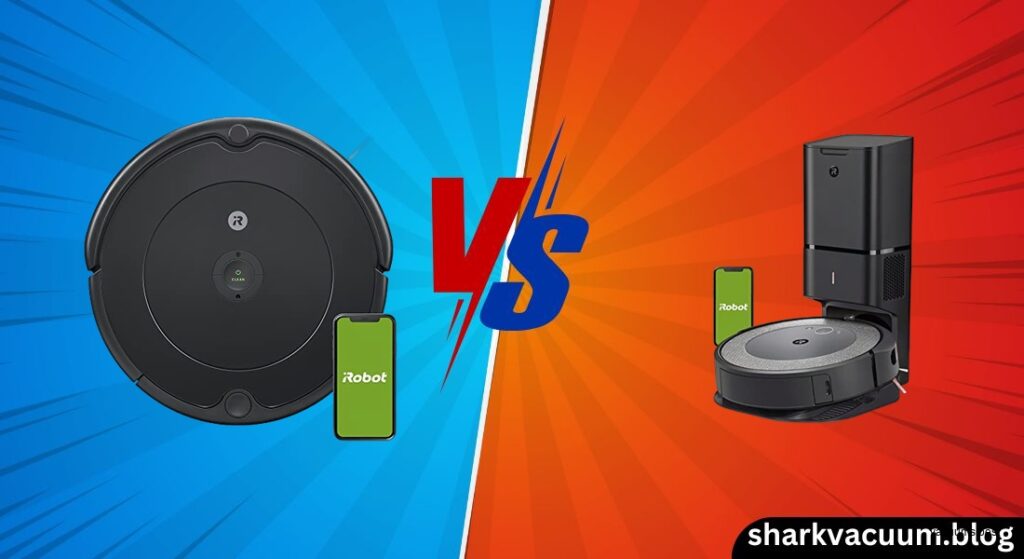
The robot vacuum market has evolved from a novelty into a necessity for many households, but the choice between models can still be overwhelming—especially when balancing performance, convenience, and price. At the heart of this decision for budget-conscious buyers are two iRobot favorites: the Roomba 694 and the Roomba i3 (or i3+). Both promise automated cleaning, app control, and reliable brand performance, but they serve very different needs. The Roomba 694 has earned its place as a best-seller by delivering solid cleaning power at an affordable price, while the Roomba i3/i3+ steps up with smarter navigation, tangle-free brushes, and—on the Plus model—self-emptying convenience. If you’re trying to decide which robot vacuum fits your lifestyle, the key question is whether the i3’s upgrades justify its higher cost. This detailed comparison will break down every critical factor—from cleaning power and navigation to pet hair handling and long-term value—so you can confidently choose the robot that truly works for your home.
1. Introduction
Robot vacuums have become essential tools for keeping homes clean with minimal effort, and iRobot remains a dominant player in the space. Within its lineup, the Roomba 694 vs. i3 comparison represents a classic dilemma: do you go with a proven, budget-friendly model, or invest more for advanced features that promise greater convenience? The Roomba 694 has built a reputation as a reliable, no-frills robot that cleans well without breaking the bank. It uses a simple “bump and continue” navigation system, has bristle brushes, and sells for around $250, making it a top choice for first-time buyers and those in smaller homes. On the other hand, the Roomba i3 and i3+ offer a more refined experience. With systematic row-by-row cleaning, tangle-resistant rubber brushes, and the option to self-empty the dustbin for up to 60 days (on the i3+), this model appeals to pet owners, allergy sufferers, and anyone who wants to minimize hands-on maintenance. Despite the higher price—$399 for the i3 and up to $600 for the i3+—many users wonder if the upgrade is worth it.
This article dives deep into the Roomba 694 vs. i3 matchup, comparing every aspect that matters: cleaning performance, navigation intelligence, pet hair handling, smart features, battery life, and overall value. We’ll help you determine which robot is right for your home, whether you’re living in a compact apartment, managing a pet-filled house, or simply want the most efficient cleaning without daily intervention. The goal isn’t to declare one robot universally better, but to show where each excels—and where the trade-offs lie—so you can make a smart, personalized decision.
2. Product Overviews
2.1 iRobot Roomba 694: The Reliable Entry-Level Champion
The iRobot Roomba 694 is a modern take on the classic budget robot vacuum, designed to deliver strong cleaning performance without advanced (and expensive) features like digital mapping. It’s part of iRobot’s 600 series, which has long been known for offering 90% of the core cleaning power at a fraction of the cost of premium models. The 694 uses what iRobot calls “Bump and Continue” navigation, meaning it moves in a randomized pattern, bouncing off furniture and walls to cover your floors over time. While this method lacks the precision of laser or camera-guided robots, it’s surprisingly effective, especially in homes under 1,500 square feet. The robot relies on a suite of sensors to avoid stairs, detect dirt, and return to its charging dock when the battery runs low.
Underneath, the Roomba 694 features a 3-Stage Cleaning System with dual bristle brushes, an edge-sweeping brush, and strong suction. This setup allows it to handle both hard floors and carpets effectively. In testing, it captured 97% of debris by weight, including 100% on hardwoods and 97% on high-pile carpet—impressive for its price range. The unit includes Wi-Fi connectivity, so you can control it via the iRobot HOME app, set cleaning schedules, and use voice commands with Alexa, Google Assistant, or Siri. However, it doesn’t offer room-by-room cleaning, virtual no-go zones, or advanced smart features. It’s a straightforward robot that does one thing well: clean floors reliably and affordably.
Check the latest price of Roomba 694 on Amazon [link]
2.2 iRobot Roomba i3 / i3+: The Smart, Self-Emptying Upgrade
The Roomba i3 and i3+ represent a strategic move by iRobot to bring high-end convenience features to a more accessible price point. While it doesn’t offer the full Imprint Smart Mapping found in the i7 or s9 series, it does feature Reactive Sensor Navigation, which enables the robot to clean in neat, logical rows rather than random zigzags. This results in faster, more efficient coverage, especially in larger or open-concept homes. The i3’s cleaning system is also a major upgrade: it uses dual multi-surface rubber extractors instead of bristle brushes. These rubber rollers are designed to resist tangling with pet hair and are much easier to clean—simply slide the hair off instead of cutting it out with scissors.
The i3+ model adds the Clean Base Automatic Dirt Disposal, a tower that automatically empties the robot’s dustbin after each cleaning cycle into a sealed, allergen-trapping bag. This feature allows the robot to go up to 60 days without manual intervention, making it ideal for busy households or allergy sufferers who want to minimize dust exposure. The i3 also has 10x Power-Lifting Suction compared to the 600 series, which helps pull deep-down dirt from carpets and create visible cleaning ridges. It supports the iRobot HOME app with iRobot Genius™, offering personalized cleaning suggestions, seasonal recommendations (like cleaning more during allergy season), and integration with the Braava jet m6 mop via Imprint Link.
See current deals on Roomba i3+ here [link]
3. Comparison Criteria
To fairly evaluate the Roomba 694 vs. i3, we’ll use six key criteria that matter most to real-world users:
- Cleaning Performance: How well does each robot pick up debris on hardwood, tile, and carpet? We’ll look at suction power, brush effectiveness, and edge cleaning.
- Navigation & Intelligence: Is the robot efficient? Does it cover the whole home without missing spots? Can it avoid obstacles and resume cleaning if the battery runs low?
- Pet Hair & Maintenance: How easy is it to clean the brushes and empty the bin? Does it handle pet hair without constant maintenance?
- Smart Features & Connectivity: What can you do with the app? Can you schedule cleanings, use voice control, or integrate with other smart devices?
- Battery Life & Runtime: How long does each robot run on a single charge? Does it return to finish cleaning if it needs to recharge?
- Value & Cost of Ownership: What’s the upfront cost? Are there ongoing expenses like replacement bags or filters? Is the convenience worth the extra money?
These factors will help us determine which robot is better suited for different types of homes and lifestyles.
4. Head-to-Head Comparison
4.1 Cleaning Performance: Bristles vs. Rubber
When it comes to actual cleaning, both robots perform well, but the Roomba i3 clearly has the edge—especially on carpets. The 694 uses dual bristle brushes that rotate in opposite directions to loosen and lift dirt. In controlled testing, it achieved a 97% overall debris pickup rate, with 100% efficiency on hardwood floors and 97% on high-pile carpet. That’s impressive for a $250 robot, and it shows that random navigation can still deliver strong results. However, bristle brushes have a major downside: they tangle easily with pet hair and human hair, requiring frequent cleaning with scissors or a brush tool.
The Roomba i3, by contrast, uses dual rubber extractors that flex and adjust to different floor types. These rollers are tangle-resistant, meaning long hair and pet fur slide off instead of wrapping around. This isn’t just a minor convenience—it’s a game-changer for pet owners. In addition, the i3 boasts 10x Power-Lifting Suction, which creates visible cleaning ridges on carpets, indicating deep agitation and dirt removal. While the 694 does a solid job on low-pile carpet, the i3’s suction and rubber brushes provide a noticeably deeper clean on thicker rugs.
On hard floors, both robots perform excellently, but the i3’s systematic cleaning pattern ensures more consistent coverage. The 694 may miss spots in larger rooms due to its random pathing, while the i3 methodically covers every area in neat rows.
🏆 Section Winner: Roomba i3
The i3 delivers superior carpet cleaning, better agitation, and tangle-free performance—especially crucial for homes with pets or long-haired individuals.
4.2 Navigation Efficiency: Random vs. Systematic
Navigation is where the difference between these two robots becomes most apparent. The Roomba 694 uses “Bump and Continue” navigation, which is essentially a randomized pathing system. The robot moves in zigzags, gently bumping into furniture and walls, then changing direction. Over time, it covers the entire floor, but the process can be inefficient, especially in homes over 1,200 square feet. It may clean the same area multiple times while missing others, and it can take longer to finish.
The Roomba i3, on the other hand, uses Reactive Sensor Navigation to clean in straight, systematic rows. This method is faster and more logical, allowing the robot to cover large rooms and open layouts with fewer missed spots. While it doesn’t use vSLAM or create digital maps (like the i7), it still follows a much more organized pattern. However, it’s not perfect—some users report the i3 getting stuck on cords or mistaking dark carpet edges for drop-offs due to its cliff sensors. Still, its Recharge and Resume feature ensures that if the battery runs low, it returns to the dock, recharges, and picks up where it left off. The 694 lacks this feature; it will return to charge but may not resume the job, leaving parts of the house uncleaned.
🏆 Section Winner: Roomba i3
Systematic row cleaning and Recharge and Resume make the i3 far more efficient and reliable, especially in larger homes.
4.3 Pet Hair & Maintenance: The Tangle Test
For pet owners, brush type is everything. The Roomba 694’s bristle brushes are effective at grabbing pet hair, but they require frequent maintenance. Hair wraps tightly around the bristles and often needs to be cut off with scissors—a messy, time-consuming chore. The side brush and filter also need regular cleaning, and the 0.3L dust bin fills up quickly in homes with shedding pets, requiring daily emptying.
The Roomba i3’s rubber extractors are a major upgrade. Hair doesn’t wrap around them; instead, it slides off easily during cleaning or when you wipe the rollers. Maintenance is minimal—just a quick wipe every few weeks. The filtration is also better: the i3 uses a high-efficiency filter that captures 99% of allergens, including pet dander and dust mites. If you opt for the i3+, the self-emptying Clean Base takes maintenance even further. After each run, the robot docks and automatically empties its bin into a sealed AllergenLock™ bag that holds up to 60 days of debris. This means you might only need to touch the vacuum once or twice a month.
🏆 Section Winner: Roomba i3+
Between tangle-free brushes, superior filtration, and self-emptying, the i3+ is the clear choice for pet owners and allergy sufferers.
4.4 Smart Features & App Experience
Both robots use the iRobot HOME App, which offers scheduling, remote start/stop, cleaning history, and maintenance alerts. You can also control either robot with Alexa, Google Assistant, or Siri using voice commands like “Alexa, ask Roomba to start cleaning.”
However, the i3 offers more advanced smart features. Through iRobot Genius™, it provides personalized cleaning suggestions, such as increasing clean frequency during high pollen seasons or pet shedding periods. It also supports IFTTT automations, letting you trigger cleaning when you leave home or lock your smart door. The i3+ can even sync with the Braava jet m6 mop to vacuum first, then mop—ideal for hard floor maintenance.
The 694, while fully app-enabled, lacks these higher-level features. It does not support Recharge and Resume, which limits its usefulness in larger homes. Both robots lack digital mapping, so you can’t select specific rooms or set virtual no-go zones in the app—only physical Virtual Wall barriers work.
🏆 Section Winner: Roomba i3
The i3’s smarter app logic, Recharge and Resume, and ecosystem integration give it a clear edge.
4.5 Battery Life and Charging
The Roomba 694 offers up to 90 minutes of runtime on a full charge, which is sufficient for homes under 1,500 sq. ft. It will automatically return to its dock when the battery is low.
The Roomba i3 provides slightly more—about 100 minutes—and includes the critical Recharge and Resume feature. If it runs out of battery mid-clean, it docks, recharges, and then resumes cleaning from where it left off. This ensures complete coverage, even in larger homes. The 694 does not have this feature; it may stop cleaning and leave areas untouched.
🏆 Section Winner: Roomba i3
The extra 10 minutes of runtime plus Recharge and Resume make the i3 far more reliable for larger or multi-room homes.
4.6 Price and Value Proposition
The Roomba 694 typically sells for around $250, making it one of the most affordable Wi-Fi-enabled robot vacuums from iRobot. It’s an excellent value for first-time buyers, students, or those with small, mostly hard-floor apartments.
The Roomba i3 starts at $399, and the i3+ with Clean Base costs $599–$600. That’s a significant jump, but it comes with real benefits: systematic cleaning, tangle-free brushes, better suction, and—on the i3+—months of hands-free operation.
There are also ongoing costs to consider. The i3+ requires AllergenLock bags (around $30 for a 3-pack), adding roughly $120 per year if replaced monthly. Filters and brushes also need periodic replacement for both models.
For pet owners or those with carpets, the i3+ justifies its cost through reduced maintenance and superior cleaning. For budget-focused users in small homes, the 694 delivers excellent value.
🏆 Section Winner: Roomba 694 (Value), Roomba i3+ (Convenience)
The 694 wins on upfront affordability; the i3+ wins on long-term convenience and pet-friendly design.
5. Pros and Cons Table
| Feature | Roomba 694 | Roomba i3 / i3+ |
|---|---|---|
| Navigation Style | Random “Bump & Continue” | Systematic Row-by-Row |
| Brush Type | Dual Bristle (Prone to tangles) | Dual Rubber (Tangle-resistant) |
| Suction Power | Standard (Effective for price) | 10x Power-Lifting (Superior on carpet) |
| Filtration | AeroVac (Standard) | High-Efficiency (99% Allergen capture) |
| Self-Emptying | No | Yes (i3+ Model only) |
| Mapping | No | No (Logical navigation only) |
| Virtual Barriers | Physical Virtual Wall required | Physical Virtual Wall required |
| Recharge & Resume | No | Yes |
| Runtime | ~90 Minutes | ~100 Minutes |
| Best For | Budget buyers, small apartments, hard floors | Pet owners, carpeted homes, allergy sufferers |
| Major Con | Hair tangles on brushes; Random pathing | No app mapping despite higher price point |
6. Best Use Case Recommendation
Choose the Roomba 694 If:
- Budget is the primary concern: You want a trusted brand name under $300.
- Your home is mostly hard floor or low-pile carpet: The bristle brushes work well here.
- You have a small space: Apartments under 1,000 sq. ft. where random navigation still covers everything quickly.
- You don’t have shedding pets: Or you don’t mind cleaning hair off the brush roll every few days.
View Roomba 694 on Amazon [link]
Choose the Roomba i3 (or i3+) If:
- You have pets: The rubber brushes are a game-changer for preventing hair tangles.
- You have allergies: The high-efficiency filter and optional self-emptying base minimize dust exposure.
- You have significant carpeting: The increased suction and systematic row cleaning provide a deeper clean.
- You want “Set and Forget”: The i3+ allows you to go months without touching the vacuum.
- Your layout is open but large: The systematic navigation and recharge/resume feature ensure the whole house gets cleaned in one go.
View Roomba i3+ on Amazon [link]
7. Conclusion
In the Roomba 694 vs. i3 debate, both robots shine in their respective categories. The Roomba 694 remains a standout for value, offering strong cleaning performance, app control, and reliable operation for under $300. It’s ideal for first-time buyers, small apartments, and homes with mostly hard floors. However, its random navigation, bristle brushes, and lack of Recharge and Resume limit its appeal in larger or pet-filled homes.
The Roomba i3 and i3+, while more expensive, deliver meaningful upgrades: systematic cleaning, tangle-free rubber brushes, stronger suction, better filtration, and—on the i3+—self-emptying convenience. These features make it a superior choice for pet owners, allergy sufferers, and anyone who wants a truly “set and forget” cleaning experience.
Pro Tip: Neither robot offers digital mapping or room selection, a feature reserved for iRobot’s i7 and s9 series. If you need to clean specific rooms via app, consider upgrading.
Final Verdict:
The Roomba 694 is the king of value, delivering excellent performance for its price.
The Roomba i3+ is the king of convenience, justifying its higher cost with reduced maintenance and smarter cleaning.
For most households with pets or carpets, the i3+ is worth the investment. For budget-focused users in smaller homes, the 694 is still a smart, capable choice.