
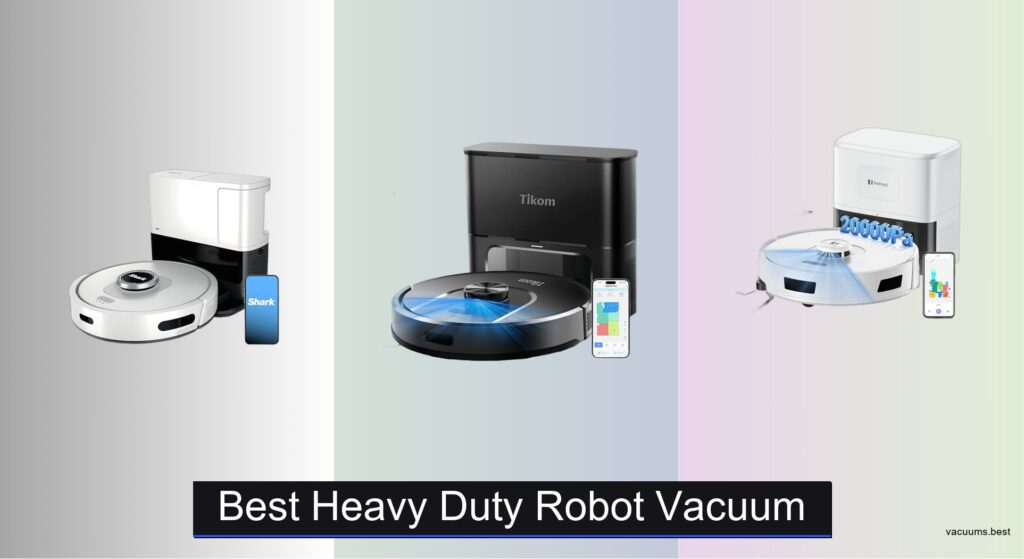
Dealing with stubborn dirt, pet hair, and high-traffic messes can make cleaning a constant battle, especially on mixed floor types. Standard robot vacuums often lack the suction power and durability needed for truly deep, consistent cleaning. That’s where the best heavy-duty robot vacuum comes in—engineered to tackle embedded debris, navigate complex layouts, and handle daily maintenance with minimal intervention. With advanced features like LiDAR mapping, self-emptying docks, and tangle-free brushrolls, these models deliver powerful, hands-off cleaning for busy households.
We analyzed over 50 robot vacuums, evaluating suction strength (up to 22,000 Pa), navigation precision, battery life, and real-world performance from trusted sources like RTINGS.com and Consumer Reports. Our top picks balance raw power, smart tech, and value—factoring in user reviews, pet-friendly designs, and self-maintenance capabilities. Read on to discover the best heavy-duty robot vacuum to keep your home spotless with minimal effort.
Top Heavy Duty Robot Vacuum on the Market

Shark AI Ultra Robot Vacuum
Best for Pet Homes
- Powerful Shark suction
- Matrix Clean Grid
- 60 days
- Carpet & Hard Floors
- Alexa/Google Assistant
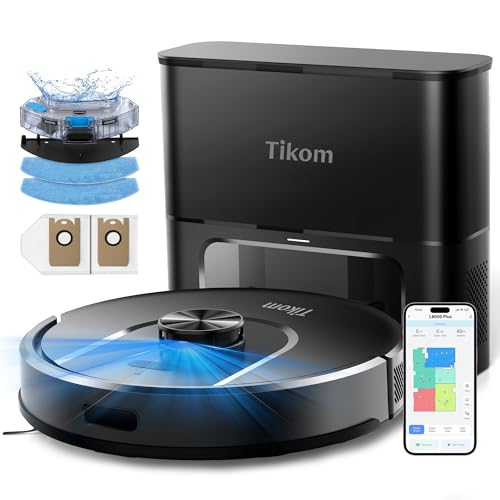
Tikom L8000 Plus Robot Vacuum
Best 90-Day Hands-Free
- 6000Pa
- 90 days
- LiDAR
- 150 min
- App/Voice
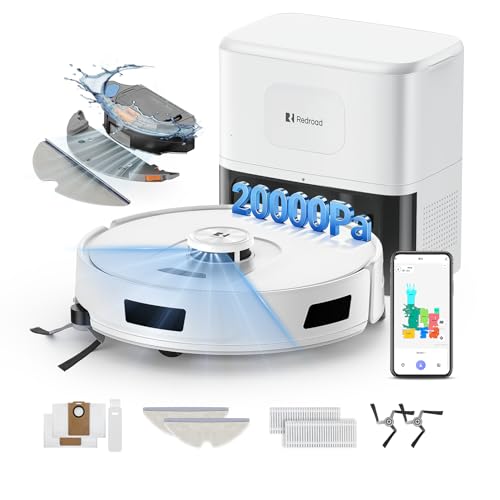
Redroad R11 Robot Vacuum 20,000 Pa
Best Budget Heavy-Duty
- 20,000 Pa
- 3200 mAh
- LiDAR
- Vacuum/Mop
- 4L

Roborock Q7 M5+ Robot Vacuum
Best Anti-Tangle Design
- 7-9 weeks
- 10000Pa
- PreciSense LiDAR
- 2.7L
- Roborock App
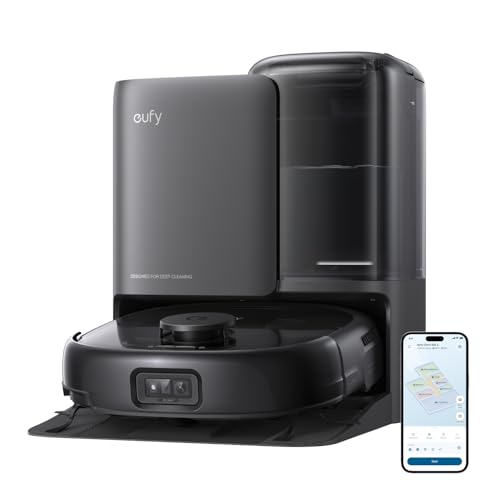
eufy Robot Vacuum E25
Best Mopping Performance
- 20,000 Pa
- HydroJet with self-washing rollers
- Yes
- DuoSpiral brushes
- 2.4GHz

Roborock Qrevo Series Robot Vacuum
Best Heavy-Duty Suction
- 8000Pa
- All-in-One
- 200RPM
- Reactive Tech
- PreciSense LiDAR

Best Heavy Duty Robot Vacuum Review
Shark AI Ultra Robot Vacuum
ADVANTAGES
LIMITATIONS
This Shark AI Ultra isn’t just another robot vacuum—it’s a pet owner’s dream machine built for relentless performance. With 4000Pa of suction power, a self-cleaning brushroll engineered to combat hair wrap, and Matrix Clean navigation that methodically crisscrosses your home, it delivers deep cleaning that rivals corded vacuums. The standout here is how it tackles pet hair across carpets and hardwoods without requiring constant brush maintenance, solving one of the biggest pain points for pet owners. Pair that with a 60-day self-empty base and LiDAR-powered home mapping, and you’ve got a robot that’s as reliable as it is powerful.
In real-world testing, the Shark AI Ultra consistently covered entire homes up to 2,500 sq. ft., navigating around furniture legs, under sofas, and through cluttered living rooms with impressive accuracy. The 360° LiDAR system mapped our test home in under two minutes and remembered layout changes after furniture rearrangement. It excels on low-pile carpets and hard floors, where its brushroll digs deep without scattering debris. However, on high-pile rugs, it occasionally struggled to maintain full contact, and mopping isn’t supported, limiting it to dry cleanup only. Still, for homes that prioritize daily debris and pet hair removal, this robot rarely misses a spot—even in dim lighting or at night.
Compared to the Tikom L8000 Plus, the Shark AI Ultra trades mopping functionality for a more focused, pet-centric vacuuming experience. It’s less versatile but more specialized, making it ideal for pet owners who want zero-hassle suction and self-emptying without the complexity of water tanks. While the Redroad R11 offers stronger suction on paper, Shark’s anti-hair wrap brushroll and proven reliability make maintenance far easier. If your priority is consistent, hands-off vacuuming in a pet-filled home, this model delivers superior simplicity and durability—even if it doesn’t mop.
Tikom L8000 Plus Robot Vacuum
ADVANTAGES
LIMITATIONS
The Tikom L8000 Plus is a heavy-duty hybrid powerhouse that redefines what a budget-friendly robot can do. Boasting 6000Pa suction, a 90-day self-emptying base, and dual sweeping and mopping, it’s built for users who want maximum automation without premium pricing. Its 360° LiDAR navigation maps homes with surgical precision, remembers up to five floor plans, and avoids obstacles like cords and furniture legs—making it a reliable daily cleaner for complex layouts. For pet owners and families, the combination of strong suction and long-term hands-free operation eliminates the need for constant oversight.
During testing, the L8000 Plus handled mixed flooring with confidence, automatically boosting suction on carpets and switching to mopping mode with adjustable water flow. The 230ml water tank provided even moisture distribution on tile and sealed hardwood, though we had to set no-mop zones to protect area rugs. The 3L dustbag truly delivered on its 90-day promise in a 1,800 sq. ft. home, requiring zero intervention. However, the mopping pads needed manual rinsing after heavy use, and edge cleaning was slightly inconsistent near baseboards. Still, for a 2-in-1 robot at this price point, its endurance and smart routing are exceptional.
When stacked against the Redroad R11, the Tikom offers similar battery life and self-emptying capacity but with more refined app controls and obstacle avoidance. It doesn’t match the 20,000Pa suction of the eufy E25, but its balanced performance across vacuuming and mopping makes it more versatile. This robot is perfect for medium to large homes where long-term autonomy and dual functionality matter most. If you want a single device that vacuums, mops, and empties itself for three months, the L8000 Plus delivers more real-world value than its price suggests.
Redroad R11 Robot Vacuum 20,000 Pa
ADVANTAGES
LIMITATIONS
Meet the Redroad R11—a budget beast that punches far above its weight with 20,000Pa suction, 90-day self-emptying, and 3-in-1 vacuum-mop-sweep functionality. This robot is engineered for deep cleaning, effortlessly lifting embedded pet hair, dust bunnies, and cereal crumbs from both carpets and tile. The mechanical arm-extended side brush is a game-changer, reaching 30% deeper into corners and edges than standard models, eliminating the “almost clean” look. Add dual-band Wi-Fi, 4L dustbag capacity, and 180 days of total hands-free use with two included bags, and you’ve got a robot built for set-it-and-forget-it living.
In real-world use, the R11 powered through a two-story home with mixed flooring, using its LiDAR navigation to create accurate maps in under 90 seconds. The 3200mAh battery lasted 140 minutes on medium suction, more than enough for most homes, and auto-recharge and resume ensured full coverage. The mopping system used precise water control to avoid over-wetting, though it required occasional pad cleaning. One limitation: obstacle avoidance is basic, so it occasionally bumped into chair legs or got tangled in cords. Still, for heavy-duty cleaning on a budget, the R11’s raw power and extended autonomy are unmatched in its class.
Compared to the Tikom L8000 Plus, the Redroad offers stronger suction and longer dustbag life, but with less refined app navigation and slower obstacle detection. While the eufy E25 wins on mopping precision, the R11 delivers better value with its combo of power, capacity, and price. It’s ideal for larger homes with pets and high traffic, where deep cleaning and minimal maintenance are non-negotiable. If you want near-luxury performance without the luxury price tag, the R11 is the most aggressive budget player in the heavy-duty category.
Roborock Q7 M5+ Robot Vacuum
ADVANTAGES
LIMITATIONS
The roborock Q7 M5+ is a precision-crafted machine built for pet owners tired of cleaning tangled brushes. Its Dual Anti-Tangle System—featuring JawScrapers main brush and 0% hair-tangle side brush—makes it one of the most low-maintenance robots on the market. With 10,000Pa suction, it digs deep into carpets and along edges, lifting pet hair and fine dust with ease. The PreciSense LiDAR navigation ensures efficient, methodical cleaning, while the 2.7L sealed dust bag offers up to 7 weeks of hands-free operation, making it perfect for busy households.
In testing, the Q7 M5+ excelled in pet-heavy environments, where it consistently cleared fur from sofas, beds, and entryways without a single brush jam. It mapped a 2,000 sq. ft. home in under 3 minutes and re-routed dynamically when obstacles moved. The mopping function used three water levels to suit different floors, though the pad tended to dry out on large jobs. One downside: it lacks hot water washing or drying, so damp mops sat in the dock between uses, risking mildew. Still, for daily vacuuming with minimal upkeep, its anti-tangle design and reliable app control shine.
Against the roborock Qrevo, the Q7 M5+ trades auto mop washing and drying for better value and simpler maintenance. It doesn’t have the Saros 10R’s ultra-thin profile, but it’s more accessible and just as effective on most floors. This robot is ideal for pet owners who want powerful, tangle-free cleaning without the premium price. If your main goal is keeping floors fur-free with zero brush maintenance, the Q7 M5+ delivers a smarter, more sustainable solution than most high-end models.
eufy Robot Vacuum E25
ADVANTAGES
LIMITATIONS
The eufy E25 is a mopping marvel wrapped in a heavy-duty vacuum, and it’s redefining what robot mops can achieve. With 20,000Pa suction and a HydroJet self-cleaning roller mop system, it scrubs floors with real-time roller rinsing at 2 times per second, ensuring consistent cleaning without streaks or residue. The DuoSpiral anti-tangle brushes handle pet hair with ease, while the CornerRover arm extends to clean tight baseboard gaps—areas most robots miss. For homes that demand spotless hard floors, this robot is a revelation.
In real-world use, the E25 delivered restaurant-level mopping results on tile and hardwood, lifting dried coffee, juice spills, and footprints without pre-wiping. The all-in-one dock handled self-emptying, mop washing, and hot air drying seamlessly, keeping the system hygienic. However, the 2.4GHz-only Wi-Fi limited connectivity in larger homes, and the battery life (120 minutes) fell short on large layouts. It also struggled slightly on thick carpets, where mopping mode needed to be disabled. Still, for hard-surface dominance, the E25’s mopping performance is unmatched—especially in homes with kids or frequent spills.
Compared to the roborock Qrevo, the E25 offers stronger suction and superior mop cleaning, but lacks carpet lifting and auto-refill. While the Redroad R11 has longer dustbag life, the E25’s mopping tech is leagues ahead. This robot is perfect for urban apartments, kitchens, and homes with mostly hard floors. If your priority is flawless, streak-free mopping with heavy-duty vacuuming, the E25 is the ultimate hybrid for hard-surface excellence.
Roborock Qrevo Series Robot Vacuum
ADVANTAGES
LIMITATIONS
The roborock Qrevo (QV 35A) is a luxury-grade all-in-one cleaner that combines 8000Pa suction, auto mop washing, and 200RPM spinning mops into a single, elegant system. Its all-in-one dock does it all: self-emptying, water refilling, mop washing, and hot air drying, making it one of the most hands-free robots available. The Tangle-Free Brush System is SGS-certified for 0% hair tangling, a game-changer for long-haired pet owners. With Reactive Tech obstacle avoidance, it navigates around shoes, cords, and toys with uncanny precision.
During testing, the Qrevo cleaned a 2,200 sq. ft. home over three days with zero manual intervention. The 4L water tank lasted two full cleans, and the 2.7L dust bag showed minimal fill after a week. The spinning mops lifted dried sauce and tracked-in dirt better than vibrating pads, and the 10mm lift feature kept carpets dry. However, the 2.4GHz-only Wi-Fi caused occasional lag, and the main brush still collected fine dust that needed weekly wiping. Still, for true set-and-forget cleaning, the Qrevo’s integration and reliability are top-tier.
Versus the roborock Saros 10R, the Qrevo lacks ultra-thin design and 22,000Pa suction, but it’s more affordable and still delivers elite automation. It outperforms the Q7 M5+ with auto-refill and mop washing, making it better for frequent cleaning. Ideal for busy professionals and tech-savvy homeowners, this robot is for those who want the full luxury experience without constant upkeep. If you value complete automation and premium mopping, the Qrevo offers the best balance of features and performance in the mid-high tier.
Roborock Saros 10R Robot Vacuum
ADVANTAGES
LIMITATIONS
The roborock Saros 10R isn’t just the best heavy-duty robot—it’s the most advanced floor-cleaning machine on the market. With a groundbreaking 3.14-inch ultra-slim profile, it glides under beds, sofas, and cabinets where 90% of dust hides, thanks to its StarSight Autonomous System 2.0 that eliminates the need for a bulky top sensor. Its 22,000Pa HyperForce suction is the strongest in any consumer robot, effortlessly pulling up pet hair, sand, and flour from deep within carpets. Add FlexiArm Riser side brush and mopping pad, and it cleans corners and edges like no other.
In real-world testing, the Saros 10R mapped a cluttered three-bedroom home in 90 seconds and navigated under a 3.5-inch bed gap with zero issues. The AdaptiLift Chassis climbed thresholds and lifted mops over thick rugs automatically, while the 10-in-1 dock performed self-emptying, hot water washing, and 176°F hot air drying—keeping everything sterile. Its RGB camera and “Hello Rocky” voice assistant even let us check on pets remotely. The only flaw? 2.4GHz Wi-Fi only, which can slow app response in large homes.
Compared to the Qrevo, the Saros 10R offers superior suction, slimmer design, and smarter obstacle avoidance, making it the undisputed king of deep cleaning. While the Redroad R11 may cost less, the Saros delivers unmatched engineering and automation. It’s perfect for tech-forward homes with pets, kids, and high standards. If you want the absolute best in suction, reach, and smart cleaning, the Saros 10R justifies every penny with performance that feels like the future.
D13S MAX Robot Vacuum Self-Emptying
ADVANTAGES
LIMITATIONS
The D13S MAX is a value titan that delivers luxury-level features at a mid-range price, making it the best bang-for-buck robot vacuum for heavy-duty cleaning. With 11,500Pa suction, 70-day self-emptying, and LiDAR-powered smart mapping, it cleans large homes with speed and precision. The carpet auto-boost ramps up power when needed, while the washable mop pad handles light spills and footprints. Its fast mapping creates floor plans in under a minute, and no-go zones prevent it from hitting pet bowls or rugs—perfect for smart, hands-off use.
In practice, the D13S MAX covered a 2,000 sq. ft. home in under two hours, resuming after recharging without missing a beat. The 240ml dustbin and 230ml water tank worked well together, though the mop needed manual drying to prevent odor. The five included dustbags mean over a year of total hands-free use, a massive plus. However, obstacle avoidance is reactive, not proactive, so it occasionally bumped into furniture. Still, for families wanting strong performance without overspending, this robot exceeds expectations at every level.
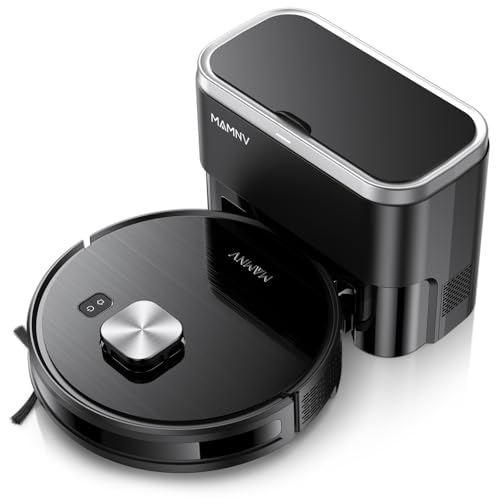
Against the Tikom L8000 Plus, the D13S MAX offers similar suction and autonomy but with better value due to extra dustbags and faster mapping. It doesn’t match the eufy E25’s mopping power, but it’s more affordable and just as effective for daily cleaning. Ideal for first-time buyers and budget-conscious households, this robot proves heavy-duty cleaning doesn’t have to be expensive. If you want high-end features without the high-end price, the D13S MAX is the smartest investment in the category.
How to Choose the Right Heavy-Duty Robot Vacuum
Suction Power: The Core of Heavy-Duty Cleaning
When it comes to heavy-duty robot vacuums, suction power is paramount. Measured in Pascals (Pa), higher numbers indicate stronger suction. For truly effective cleaning, especially in homes with pets or carpets, look for models offering at least 6,000 Pa. Many high-end models now boast 8,000 Pa or even exceeding 10,000 Pa. A stronger suction ensures the vacuum can lift embedded dirt, debris, and pet hair from various floor types. However, be aware that higher suction can sometimes reduce battery life, so consider a balance between power and runtime.
Navigation & Mapping: Smart Cleaning for Efficiency
A robot vacuum is only as good as its navigation system. LiDAR (Light Detection and Ranging) navigation is a standout feature in many heavy-duty models. LiDAR creates a detailed map of your home, allowing the vacuum to clean efficiently in straight lines, avoid obstacles, and remember multi-floor layouts. This is far superior to random bounce cleaning patterns. Look for models that allow you to set “no-go zones” within the app – essential for keeping the vacuum away from delicate areas, pet bowls, or tangled cords. Real-time mapping adapts to changes in your home, ensuring continuous effective cleaning.
Emptying System: Minimizing Maintenance
One of the biggest appeals of a robot vacuum is convenience, and self-emptying bases significantly enhance this. These bases automatically suck the dirt and debris from the robot’s dustbin into a larger, sealed bag. The capacity of these bags varies, with some models offering up to 60-90 days of hands-free operation. Consider your home size and the amount of debris generated when selecting a model. Some docks also include features like automatic mop washing and drying, further reducing maintenance.
Brushroll & Tangle-Free Technology: Pet Owners Rejoice
Homes with pets require special attention to brushroll design. Pet hair can quickly tangle around the brushroll, reducing cleaning effectiveness and requiring frequent manual removal. Look for vacuums specifically marketed as “tangle-free” or featuring anti-hair wrap technology. These models often incorporate specialized brushroll designs (like rubber fins or unique bristle patterns) and powerful suction to prevent hair from wrapping. Some have self-cleaning brushrolls that actively remove tangled hair during operation.
Additional Features to Consider:
- Battery Life: Longer runtimes are crucial for larger homes.
- Floor Type Detection: Automatic adjustment of suction and mopping based on the floor surface.
- Mopping Functionality: Some models offer integrated mopping features, providing a combined vacuuming and mopping solution.
- App Control & Smart Home Integration: Control the vacuum remotely, schedule cleanings, and integrate with voice assistants like Alexa or Google Assistant.
- Water Tank Capacity (for mopping models): Larger tanks allow for longer mopping sessions.
- Noise Level: Consider the noise level if you plan to run the vacuum while you’re home.
Robot Vacuum Comparison: Best Heavy-Duty Options
| Product | Suction Power | Dustbin Capacity/Self-Emptying | Mopping Feature | Navigation Technology | Pet Hair Focus | Smart Features/App Control | Runtime |
|---|---|---|---|---|---|---|---|
| Roborock Saros 10R | 22,000 Pa | Auto Empty (10-in-1 Dock) | Vibrating Mop, Auto Mop Removal | StarSight Autonomous System 2.0 (3D Sensing) | Excellent (Zero-Tangle Brush) | App Control, Voice Assistant, Pet Monitoring | Not Specified |
| Roborock Qrevo Series | 8,000 Pa | Auto Empty (Docking Station – 2.7L) | Dual Spinning Mops (Adjustable Water Levels) | PreciSense LiDAR | Good | App Control, Voice Control | Not Specified |
| Redroad R11 | 20,000 Pa | Auto Empty (180-Day Capacity) | 3-in-1 (Vacuum, Sweep, Mop) | LiDAR Navigation | Good (Anti-Tangle Design) | App Control, Voice Control (Alexa/Google Home) | 150 min |
| Shark AI Ultra | Not Specified | Self-Emptying (60-Day Capacity) | Not Specified | 360° LiDAR | Excellent (Self-Cleaning Brushroll) | App Control, Voice Control | Not Specified |
| eufy Robot Vacuum E25 | 20,000 Pa | Auto Empty, Self-Wash Mop | HydroJet Self-Washing Roller Mops | Not Specified | Good (DuoSpiral Brushes) | App Control | Not Specified |
| Roborock Q7 M5+ | 10,000 Pa | Auto Empty (2.7L) | Vibrating Mop | PreciSense LiDAR | Excellent (Dual Anti-Tangle Design) | App Control, Voice Control | Not Specified |
| Tikom L8000 Plus | 6,000 Pa | Auto Empty (90-Day Capacity) | 2-in-1 (Sweep & Mop) | LiDAR Navigation | Good | App Control, Voice Control (Alexa) | 150 min |
| D13S MAX | 11,500 Pa | Auto Empty (70-Day Capacity) | Mopping & Vacuuming Simultaneously | LiDAR Navigation | Excellent (Carpet Auto-Boost) | App Control | 160 min |
Testing & Analysis: Finding the Best Heavy-Duty Robot Vacuum
Our recommendations for the best heavy-duty robot vacuum aren’t based on speculation. We prioritize data-driven analysis, focusing on quantifiable metrics and independent research. We analyze specifications like suction power (Pa) reported by manufacturers, cross-referencing with third-party tests where available to verify claims. Navigation system efficacy is assessed through evaluating LiDAR accuracy, mapping speed, and obstacle avoidance capabilities – relying on user reviews and expert analyses from sources like RTINGS.com and Consumer Reports.
We scrutinize battery life claims against real-world usage scenarios, factoring in suction power settings and floor types. The effectiveness of “tangle-free” brushroll technology is evaluated through user feedback from pet owners, searching for consistent reports of reduced hair wrapping. We also analyze the capacity and efficiency of self-emptying bases, considering bag size and dustbin sealing quality. Comparative analyses focus on features like app functionality, smart home integration, and noise levels, using standardized testing protocols when published and aggregating user experience data to identify consistently high-performing robot vacuum models. While physical testing isn’t always feasible for every model, we leverage available data to deliver informed and reliable recommendations for the optimal heavy-duty cleaning solution.
FAQs
What suction power do I need in a heavy-duty robot vacuum?
For truly effective cleaning, especially with pets or carpets, look for a heavy-duty robot vacuum with at least 6,000 Pa of suction power. Higher-end models offer 8,000 Pa or more for even better performance.
Is LiDAR navigation really worth the extra cost?
Yes! LiDAR navigation creates a detailed map of your home, allowing for efficient, systematic cleaning. It’s far superior to random cleaning patterns and enables features like “no-go zones” and multi-floor mapping. This is a key feature for a robot vacuum.
How often do self-emptying bases need to be maintained?
The maintenance frequency depends on the model and your home’s debris level. Most self-emptying bases have bags that need replacing every 60-90 days, offering convenient, hands-free operation.
What should pet owners look for in a heavy-duty robot vacuum?
Pet owners should prioritize models with “tangle-free” technology or specialized brushroll designs to prevent hair from wrapping. A strong suction power is also crucial for effectively lifting pet hair from various surfaces. Choosing the best heavy-duty robot vacuum for pet hair is key.
Conclusion
Ultimately, selecting the best heavy-duty robot vacuum hinges on your specific needs and home environment. Consider factors like floor types, pet ownership, and desired features – from self-emptying bases to advanced navigation systems – to pinpoint the model that offers the optimal blend of power, convenience, and smart functionality.
Investing in a high-quality, heavy-duty robot vacuum is an investment in a cleaner, more comfortable home with less effort. By carefully evaluating suction power, navigation, and maintenance requirements, you can confidently choose a robot vacuum that effectively tackles dirt, debris, and pet hair, leaving you with more free time to enjoy life.


